41 deer backstrap diagram
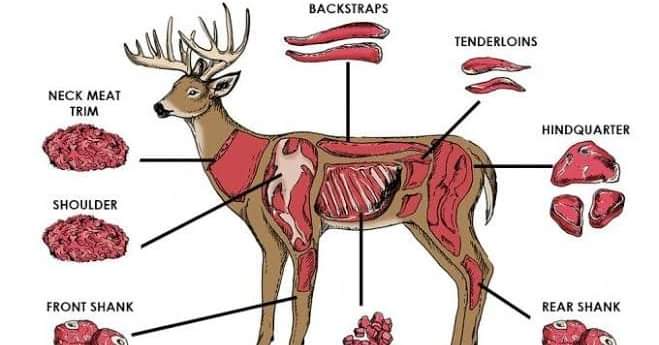
Venison backstrap is a cut of meat from a deer. On a whole deer, the backstraps run along the length of the spine. The backstrap is considered one of the most tender cuts of meat on a deer because the muscle itself is rarely used. In general, the more a muscle is used, the tougher it becomes. There are several different methods of removing the ... If you're interested in how to butcher your own deer harvests, you might like this illustrated deer meat guide.. This illustration by artist Nadia van der Donk shows where the different cuts of meat come from on a deer.. A hind quarter alone from a single deer can provide a lot of meat that can last for months if rationed properly. Learning to butcher a deer is an integral part of deer hunting ...
Venison Tenderloin. The tenderloin is the first cut that is usually taken off a deer. This cut is so tender that it should be treated simply – salt and pepper is all it needs, with a quick hot sear with butter on the grill or in a pan. Do not keep the tenderloins on the deer while hanging and aging.

Deer backstrap diagram
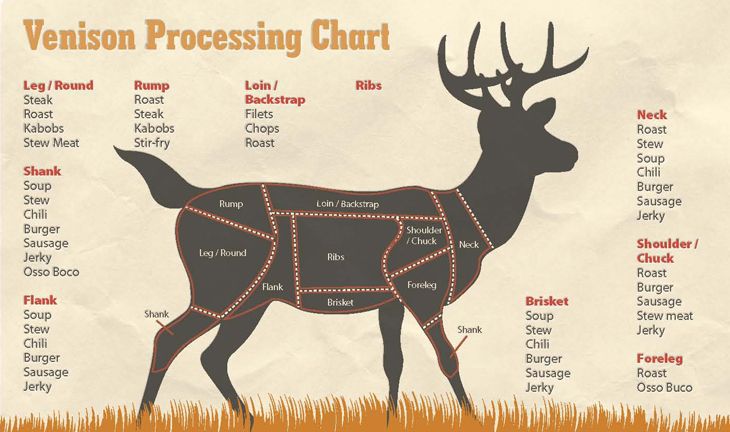
Deer Backstrap Diagram. Venison Cuts Of Meat Diagram. 40 Great Venison Cuts Of Meat Diagram. .. Roast, Chuck Roast, Backstraps, Steak, Shank, Chops, Steak Chops Roast. Deer . This is intended to be a general guide to basic cuts of venison. choose to cut their venison differently compared to what is outlined on this diagram. Food safety. Anatomy of a Whitetail Deer. Learning the Anatomy of a Whitetail Deer should be your first priority.The illustrations below are courtesy of Dr. Wayne Trimm. Please use them to make yourself and others knowledgeable of Whitetail Deer Anatomy before you go afield. Enjoy your venison the proper way. This full-color poster describes the various cuts of venison and their cooking methods and provides simple food-safety tips. The Ultimate Deer Processing Chart [INFOGRAPHIC] Share this post on social media: It explains which parts of a deer are used or consumed and where the different cuts of meat come from.
Deer backstrap diagram. Deer meat is delicious, and these 7 different cuts of venison show off the uses for every part. This is intended to be a general guide to basic cuts of venison. choose to cut their venison differently compared to what is outlined on this diagram. Food safety.A Guide to Butchering Deer. By: Gary Benton. In reality, this arm-length cut is the backstrap, not the tenderloin. True tenderloins are found INSIDE the deer’s abdominal cavity, and they are delicious. Much smaller than backstraps — only about 10 to 12 inches — tenderloins are located beneath the spine, making them more difficult to reach. Approximate venison yield chart for Whitetail Deer. Venison Yield Chart for Whitetail Deer. These yields are estimated. Actual yields will vary based on thoroughness and efficiency in the butchering process. You should age young deer at least two days while older deer should be aged between 5 and 7 days. Remember, the most important thing is to keep the meat between 32 and 42 degrees. Once aged, its time to start butchering deer. Butchering Deer – The skinning process. Before butchering deer, we must take the hide off.
Enjoy your venison the proper way. This full-color poster describes the various cuts of venison and their cooking methods and provides simple food-safety tips. The Ultimate Deer Processing Chart [INFOGRAPHIC] Share this post on social media: It explains which parts of a deer are used or consumed and where the different cuts of meat come from. Anatomy of a Whitetail Deer. Learning the Anatomy of a Whitetail Deer should be your first priority.The illustrations below are courtesy of Dr. Wayne Trimm. Please use them to make yourself and others knowledgeable of Whitetail Deer Anatomy before you go afield. Deer Backstrap Diagram. Venison Cuts Of Meat Diagram. 40 Great Venison Cuts Of Meat Diagram. .. Roast, Chuck Roast, Backstraps, Steak, Shank, Chops, Steak Chops Roast. Deer . This is intended to be a general guide to basic cuts of venison. choose to cut their venison differently compared to what is outlined on this diagram. Food safety.
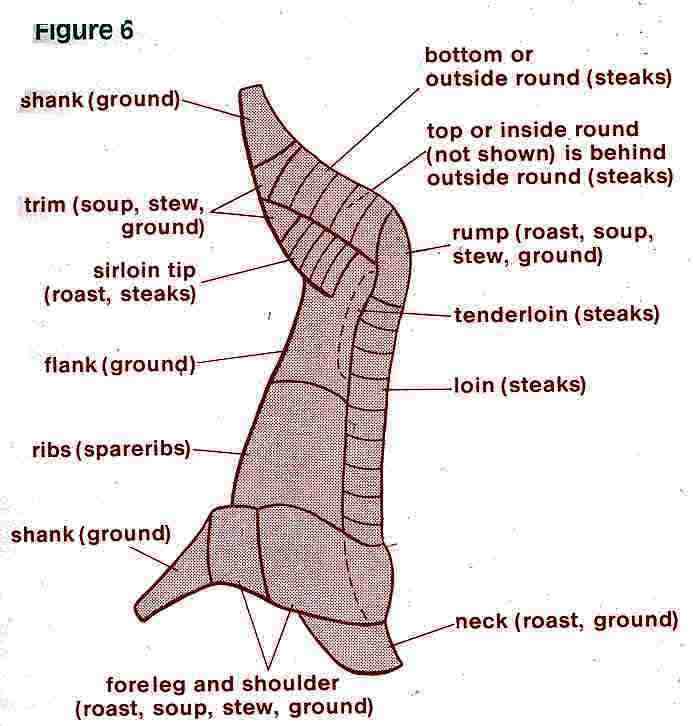
Deer Charts Ii Cutting Charts For Venison
Venison Hind Quarter Cuts
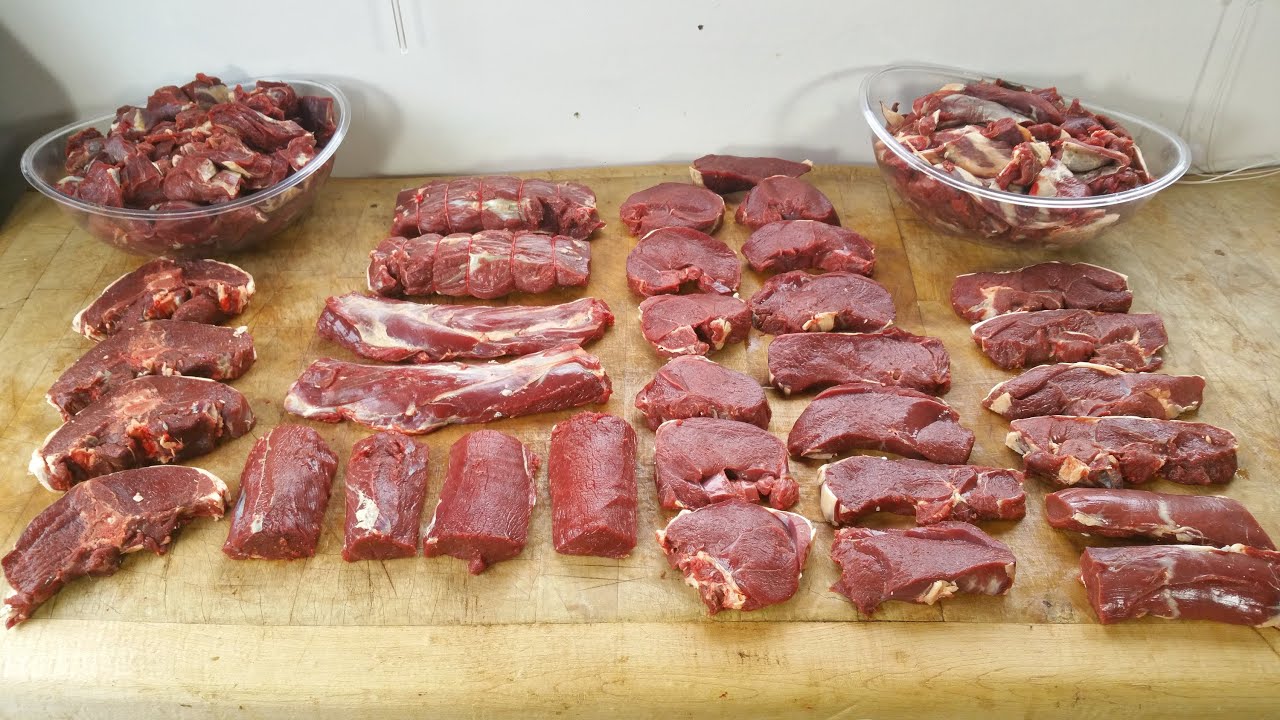
How To Butcher A Deer A Roe Deer Thescottreaproject Youtube
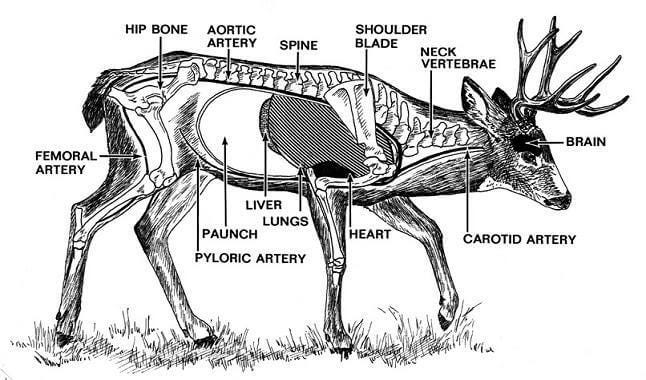
Where To Shoot A Deer With A Bow 2019 By 10hunting Com Medium

Got Elk It S The Other Red Meat The Backyard Provider
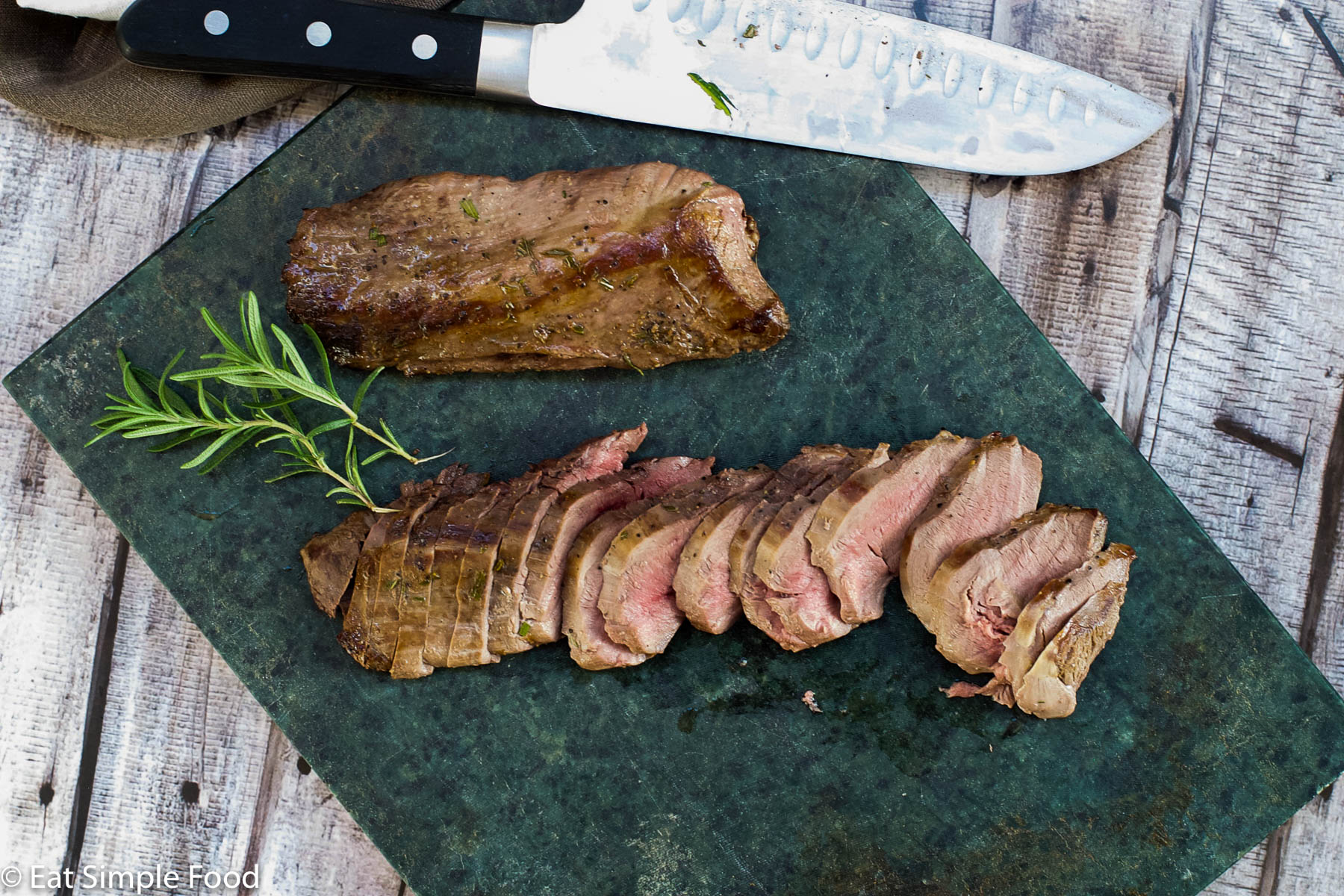
Seared And Baked Deer Venison Tenderloin Recipe Eat Simple Food

History Of Diagnostic Developments For Chronic Wasting Disease Cwd Download Scientific Diagram

Just The Picture Of The Chart Deer Butchering Deer Hunting Tips Deer Hunting
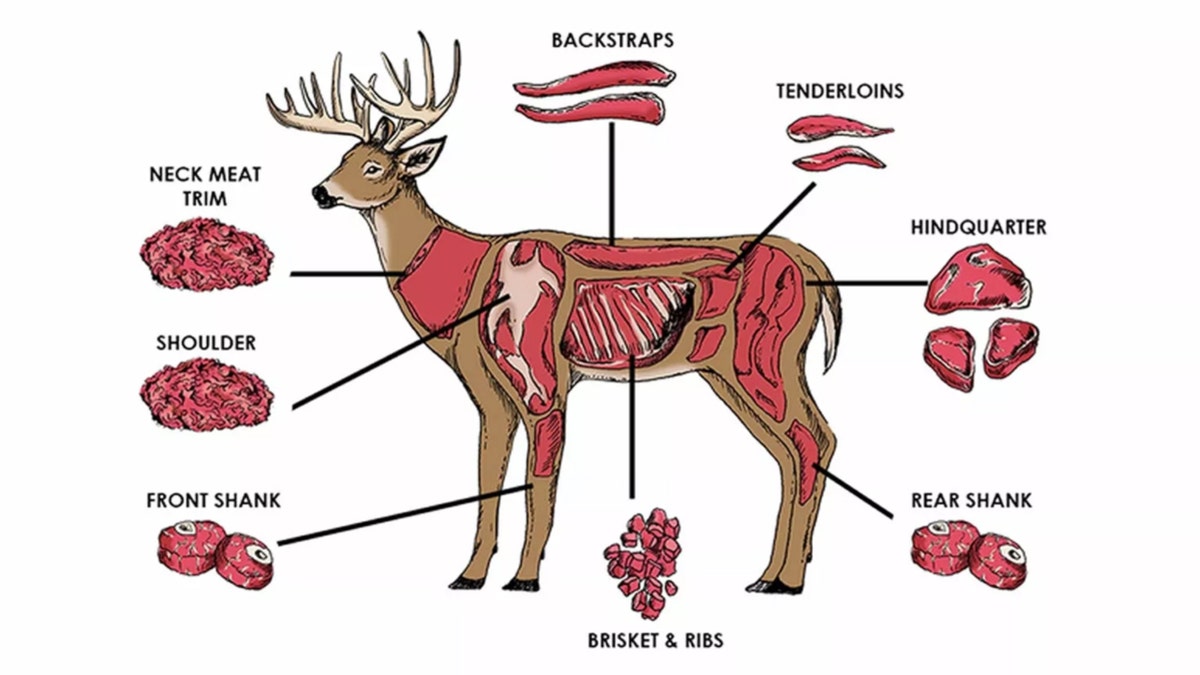
How To Cook Venison And What You Should Make With Each Cut Of Meat Fox News

Choice Cuts Of Venison Meat Bass Pro Shops

Venison Wall Art Redbubble
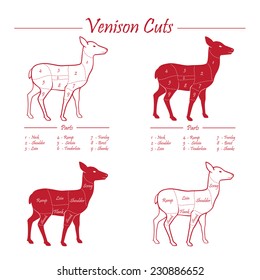
Venison Images Stock Photos Vectors Shutterstock
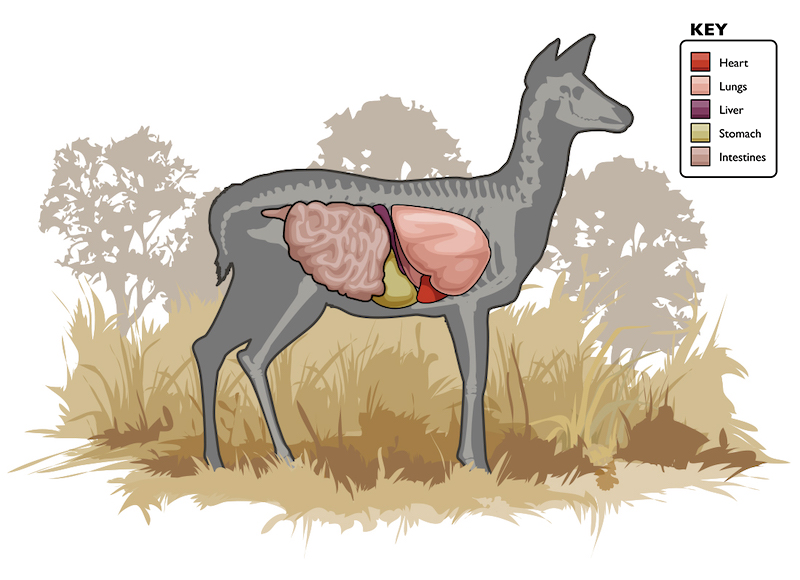
Deer Anatomy What Makes A Lethal Shot
Fisher Ham And Meat Co Gallery Of Cuts

Diy Deer Hind Quarter Easy Butchering Taste Of The Woods Jagare Ltd
1
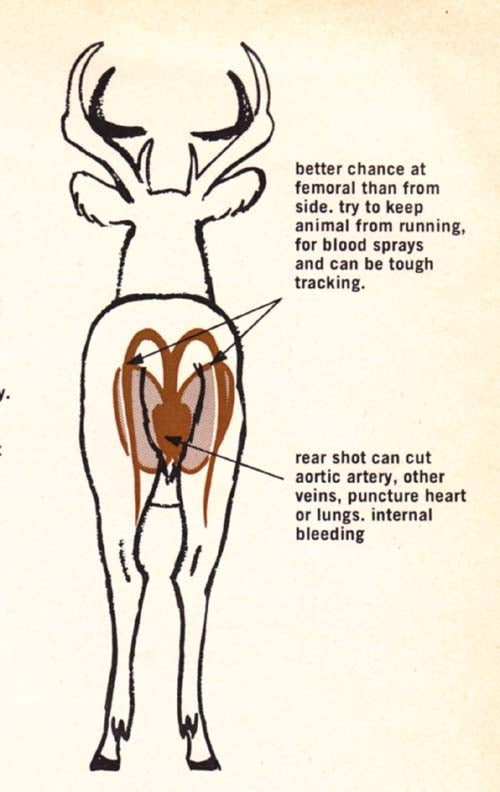
Archerytalk Articles Blogs How To

How To Field Dress A Deer In 10 Steps
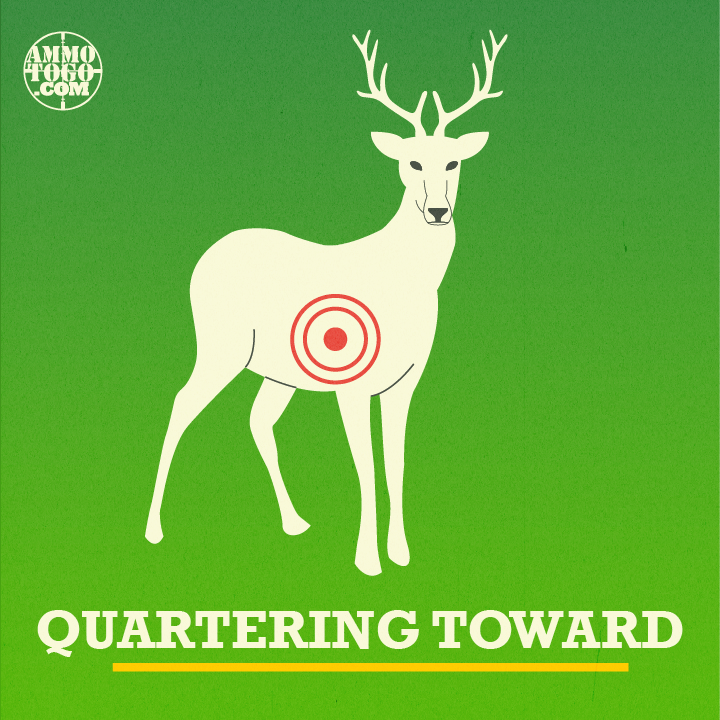
Where To Shoot A Deer Shot Placement For Ethical Kills

Phufane Game Lodge Posts Facebook
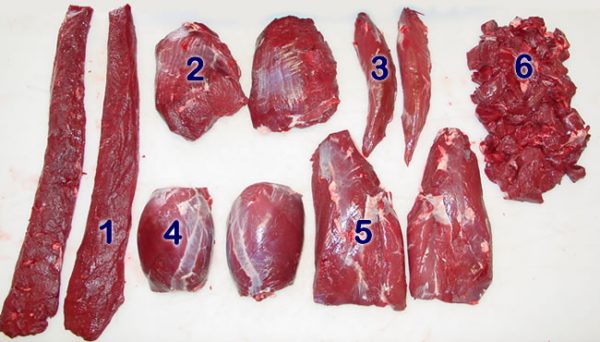
13 Easy Steps On How To Butcher A Deer And Get The Perfect Venison
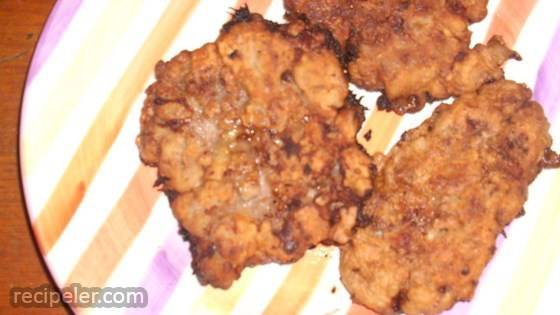
Deer Backstrap Diagram
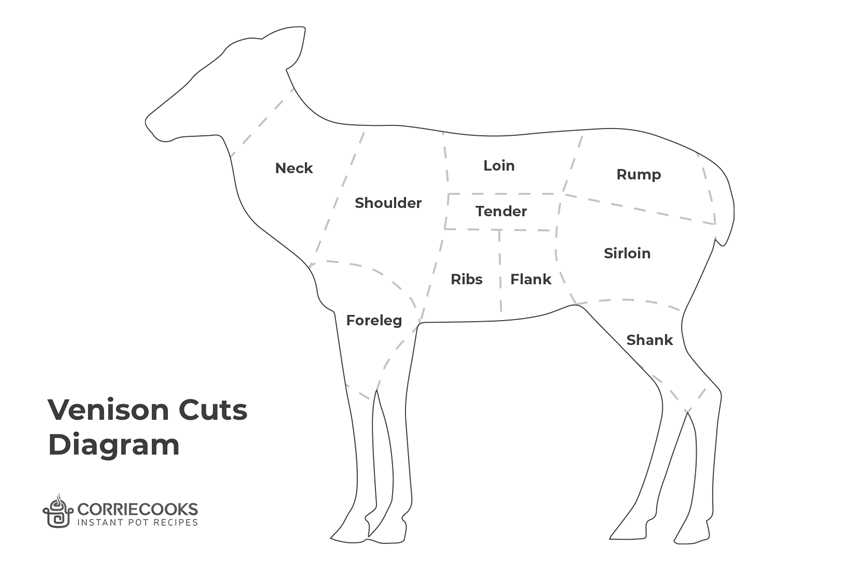
Instant Pot Venison Roast One Pot Meal Corrie Cooks
Cooked
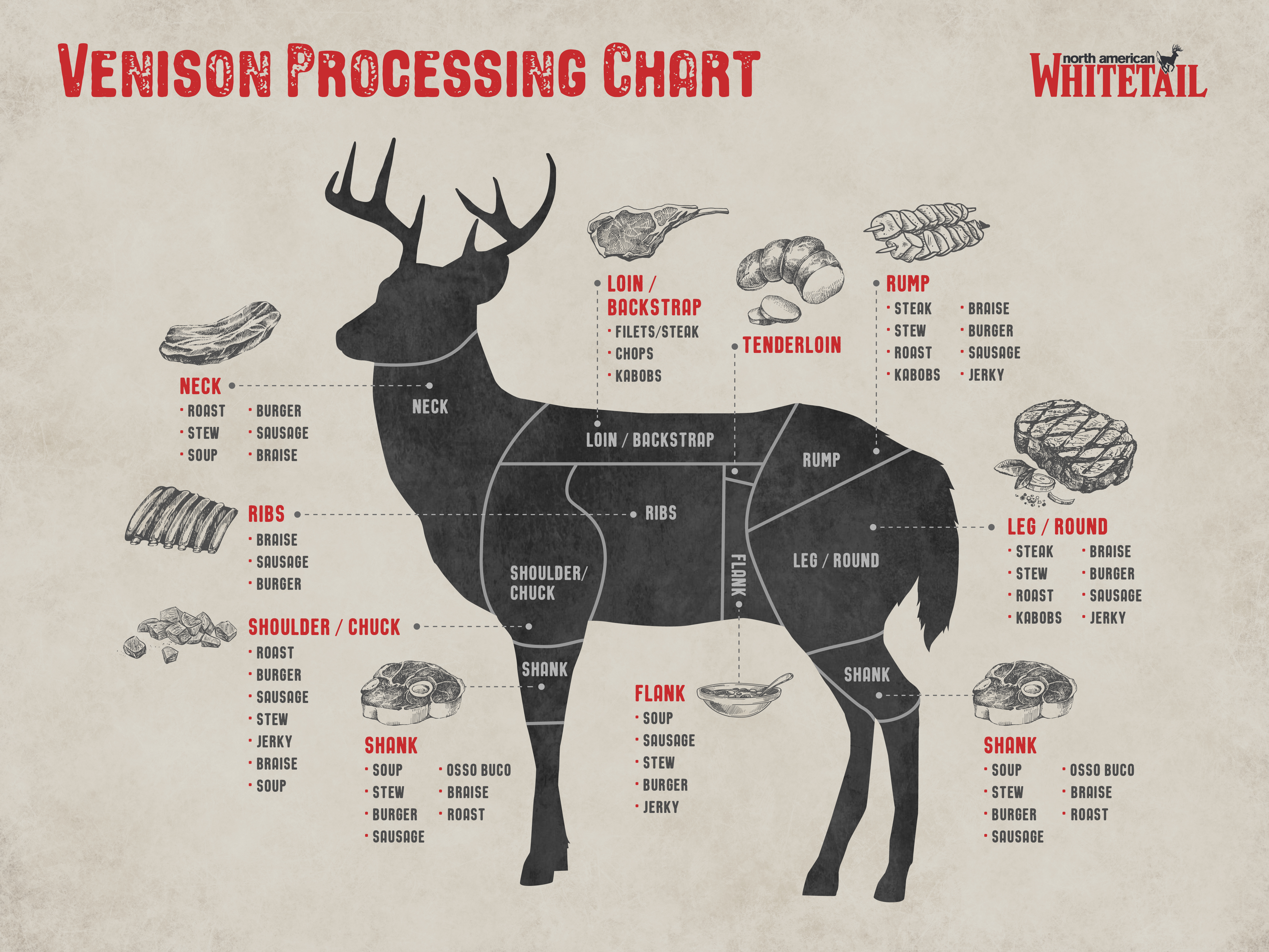
Cuts Of Venison Explained North American Whitetail
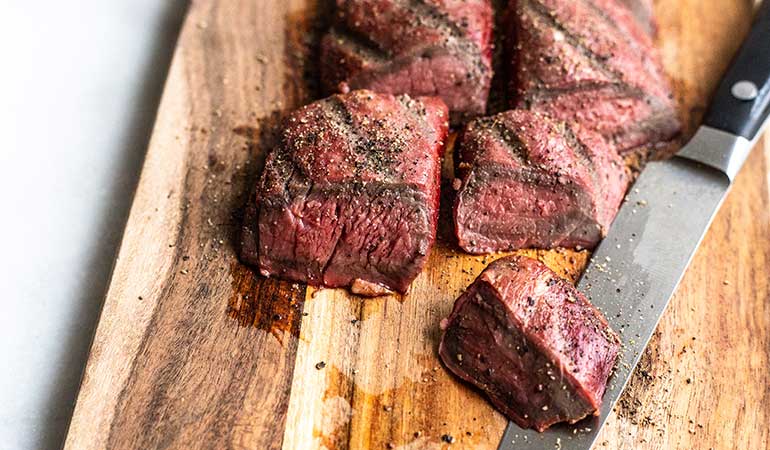
Cuts Of Venison Explained North American Whitetail
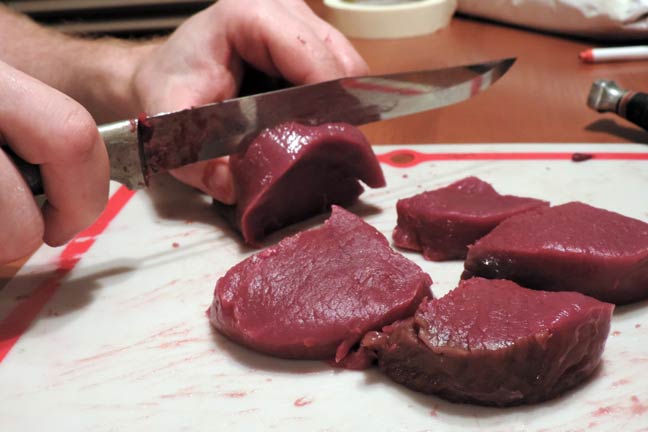
Identifying And Cooking Cuts Of Venison Petersen S Bowhunting

Deer Processing How To Remove The Backstraps Grand View Outdoors

Amazon Com Season S Eatings Merry Christmas Deer Meat Diagram Popular Clothing Shoes Jewelry
Die O S Meat Supply Posts Facebook
Elk 101 Kdfws
Choice Cuts Of Venison Meat Bass Pro Shops

Deer Can See You Even When They Re Eating Nda
Komunita Sluzby Steam Navod How To Shoot Animals Vitals Recipes
What Is Back Strap Meat Quora
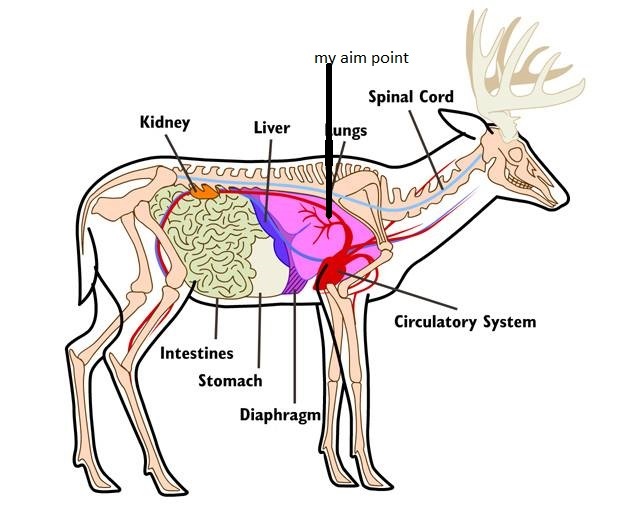
Opinion On High Shoulder Shots Texas Hunting Forum

Shot Placement Texas Hunting Forum

2018 Sutton County Hunting Guide By Randy Mankin Issuu

Where To Shoot A Deer For One Shot Kills
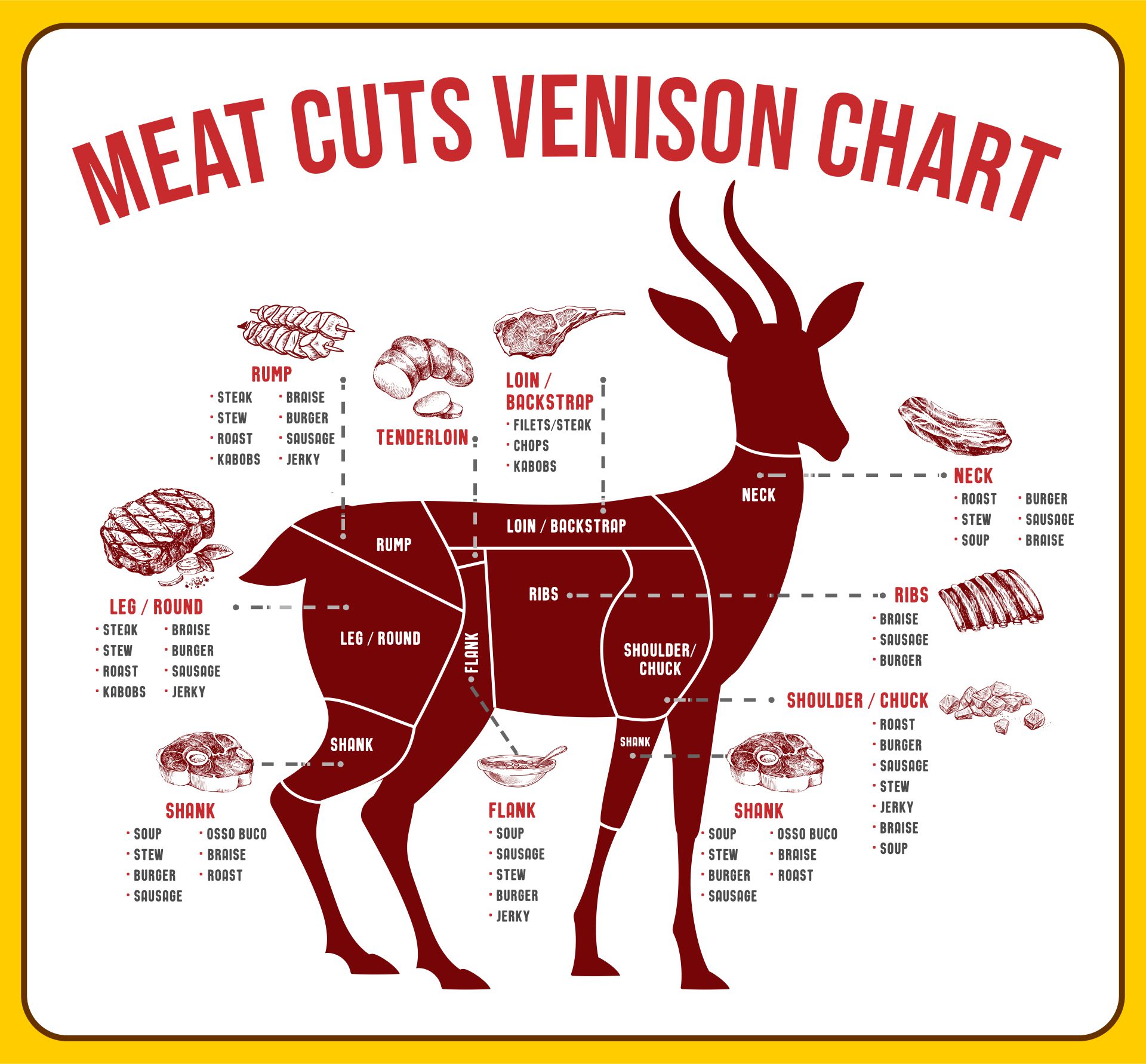
10 Best Meat Butcher Chart Printable Printablee Com
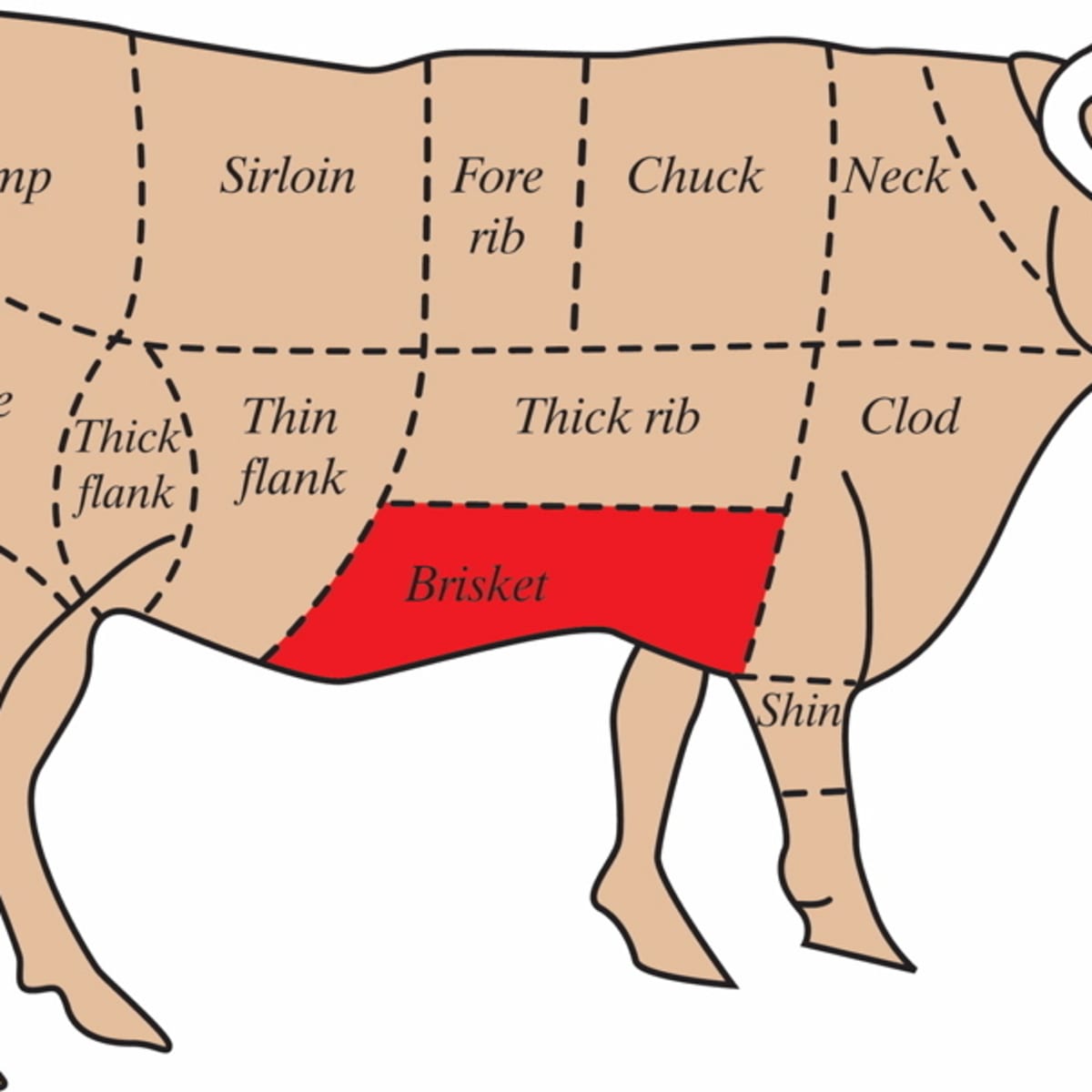
Diagram Of How To Butcher A Beef Cow Hubpages


Comments
Post a Comment